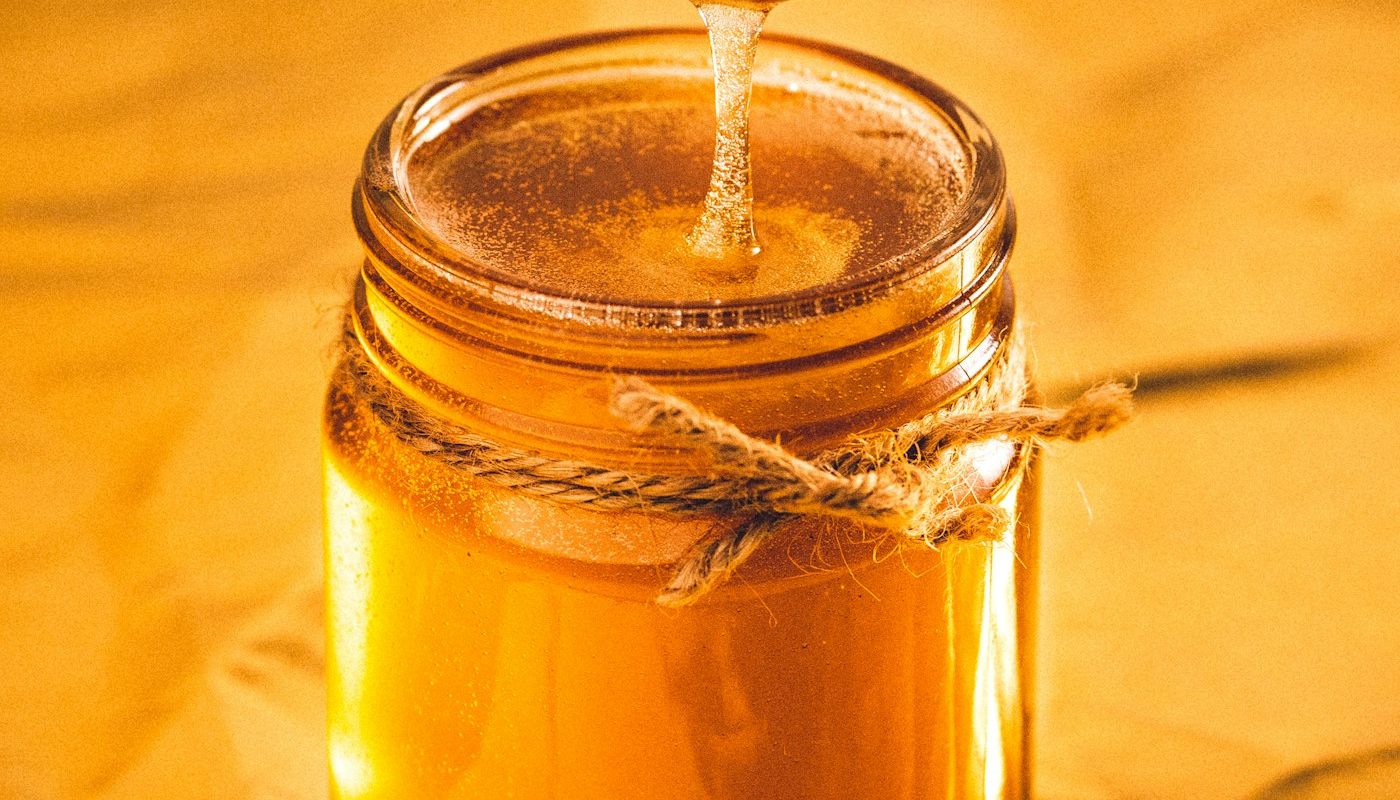
Fermented Garlic Honey
Raw garlic cloves slowly fermented in raw honey — one of the oldest, most powerful folk medicines on Earth, backed by modern microbiome science. Takes 4 weeks to make but lasts 12 months and gets better every day.
My Immunity Pantry Staple 🧄🍯
I keep a jar of this fermenting on my kitchen windowsill at all times. Ancient Egyptians fed garlic honey to pyramid builders for stamina. Today we know why: fermentation converts alliin to allicin and then to over 30 bioactive organosulphur compounds. Combined with honey's antimicrobial H₂O₂ production, this jar is a complete functional food pharmacy.
restaurant Instructions
- 1
Peel all garlic cloves. Lightly score each clove with a knife tip — this helps release alliinase and speeds fermentation.
- 2
Place garlic cloves in a clean glass jar. Pour raw honey over the garlic until completely submerged. Leave 2cm headspace.
- 3
Seal lightly (not airtight — the fermentation produces CO₂ that needs to escape). Place jar on a small plate to catch overflow.
- 4
Day 1–3: The garlic releases moisture, the honey liquefies and bubbles form. Flip the jar upside-down once daily to coat all cloves. Burp the lid briefly each day to release gas.
- 5
Week 1–2: The honey turns runny, garlic may turn slightly green (chlorophyll + allicin reaction — normal and safe). Flip daily.
- 6
Week 3–4: Fermentation slows. Taste a clove — it should be mellow, sweet-savoury, with a deep umami quality. The sharpness of raw garlic transforms into something complex and almost wine-like.
- 7
After 4 weeks: The fermented garlic honey is ready. Seal and store in a cool, dark place. It improves with age for up to 12 months.
science Why This Works — The Food Science
When garlic is crushed or cut, the enzyme alliinase converts alliin into allicin — the primary bioactive compound. Honey creates a low-water-activity environment where anaerobic fermentation proceeds slowly, producing lactic acid bacteria that transform both the garlic and the honey. The honey also liquefies during fermentation due to enzymatic activity from the garlic — this is normal and desirable.
lightbulb Tips & Tricks
- check_circleRaw honey is non-negotiable — pasteurised honey lacks the beneficial enzymes needed for fermentation.
- check_circleGreen garlic is safe. The colour change is allicin reacting with amino acids — a normal Maillard-adjacent reaction.
- check_circleEat 1–2 cloves every morning, ideally on an empty stomach, for best immunological effect.
- check_circleThe honey becomes incredibly medicinal too — drizzle on toast, in tea, or straight from the spoon.
kitchen Storage & Serving
ac_unit Storage
Store in a cool, dark cupboard for up to 12 months. Refrigeration slows fermentation — preferred after fermentation is complete.
calendar_month Meal Prep
Start a new jar every 2 months to maintain a continuous supply. The process is hands-off once started.
help_outline Frequently Asked Questions
Is the green colour safe?expand_more
Can I use store-bought processed honey?expand_more

Dr. Priyanka Singh, PhD energy_savings_leaf
Plant Biologist, Phytochemist & Botanical Kitchen Founder. Dr. Priyanka bridges rigorous academic science and your dinner table — one recipe at a time.
Meet Dr. Priyanka →