
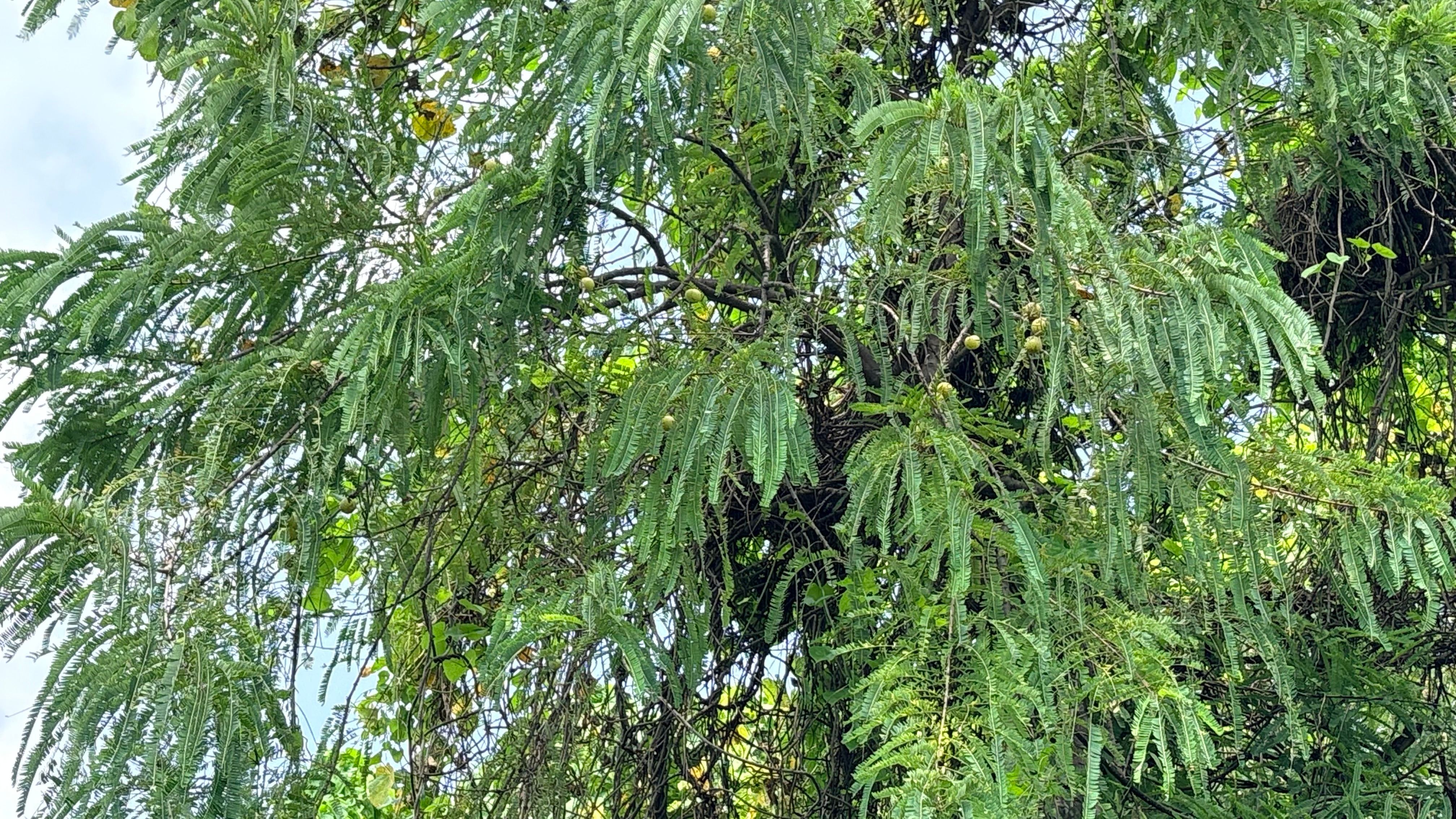
Amla (Indian Gooseberry)
Phyllanthus emblica (or Emblica officinalis)
Amla is a deciduous tree native to Asia, renowned for its highly nutritious, sour fruit that is exceptionally rich in vitamin C. It is a cornerstone botanical in traditional Ayurvedic medicine and a highly valued ingredient for both culinary and therapeutic uses.
Appearance
The plant is a small to medium-sized tree with light green, feathery, pinnate-like leaves. Its blossoms are greenish-yellow and it produces nearly spherical, light greenish-yellow fruits with six distinct vertical stripes (furrows).
Culinary Uses
Widely used in South Asian cuisine to make pickles (achar), sweet preserves (murabba), chutneys and dried mouth fresheners (supari).
Medicinal Uses & Evidence
Traditionally and scientifically recognized for its powerful antioxidant, immune-boosting and anti-inflammatory properties. Used to aid digestion, promote hair and scalp health, support liver function and help regulate blood sugar levels.
yardGrowing Guide
- Sunlight: Requires full, direct sunlight for optimal growth and maximum fruit yield.
- Soil: Thrives in light to medium heavy soils; prefers well-drained, slightly acidic to slightly alkaline soil (pH 6.5 to 9.5).
- Watering: Needs regular watering during early establishment and fruit formation, though mature trees are highly drought-tolerant.
Harvesting Tips
Harvest the fruits by hand when they shift from a light green to a yellowish-green hue, which indicates maturity. Handle carefully to avoid bruising the tough but perishable skin.
swap_horizSubstitutes
Lemon or lime juice (for vitamin C and sourness), tart green apples or sumac (for culinary astringency).
inventory_2Storage
Fresh Amla can be stored in the refrigerator for up to two weeks. Amla powder should be kept in an airtight container in a cool, dark, and dry place, where it will remain potent for up to a year.
blenderPreparation Methods
Can be eaten raw (often paired with salt to cut the tartness), juiced fresh, sun-dried and ground into a fine powder or steamed/boiled for preserves.
Scientific References & Evidence
Peer-reviewed clinical studies, pharmacology, and botanical research